
1
Learn the Process
Learn how to turn a business idea into a structured software product using AI, Cursor, Supabase, Next.js, Vercel, APIs, and a disciplined development workflow.
Applications Open: Bloomington, Indiana · August 24–28, 2026
View Upcoming Bootcamps →In-Person Platform Building Intensive
Build the foundation of a real software platform using AI-assisted development, modern tools, and the same practical process used to create revenue-generating communities, SaaS products, modules, directories, and business applications.
Complete the Bootcamp, demonstrate your competency, and work toward certification as a Community Site Module Builder.
The Platform Builder Bootcamp teaches the same tools, technology, thinking, prompting process, and development workflow Robert uses to build real software products. Some projects have taken months. Others have been created in only a few days. Several have already generated meaningful revenue, while others are being prepared for recurring-revenue growth.
$60,000+
Generated by the original MRR Platform
Days or Months
Real products built on focused timelines
Multiple Live Platforms
Communities, SaaS, modules, directories, and AI products
One Repeatable Process
The same AI-assisted building workflow taught in the Bootcamp
Past results and founder projections are not guarantees of future outcomes for Bootcamp participants.
This is not only about learning how to build. It is about learning a skill you can use to create your own products, serve business clients, develop recurring-revenue modules, and turn new ideas into commercial opportunities.
Learn how to turn a business idea into a structured software product using AI, Cursor, Supabase, Next.js, Vercel, APIs, and a disciplined development workflow.
Apply the process to your own platform, SaaS product, internal system, client solution, or Community Site module.
Use the skill to launch subscription software, build platforms for clients, create fast professional websites, develop internal business systems, productize expertise, or build approved modules for The Community Site.
Proof in the Products
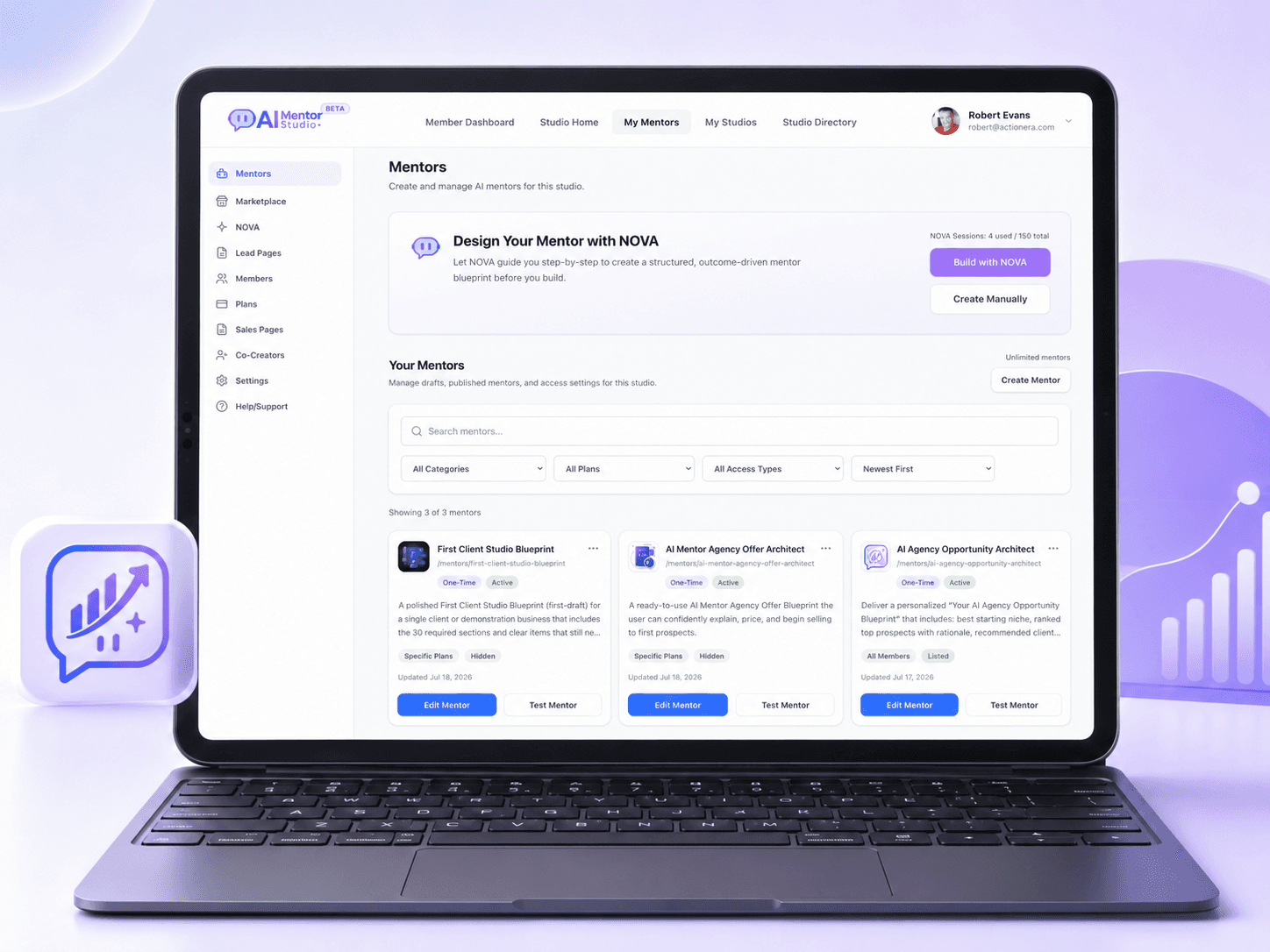
Built Using the Process You Will Learn
These are not classroom demonstrations. They are real platforms, businesses, modules, and digital products built using the tools and approach taught during the Platform Builder Bootcamp.
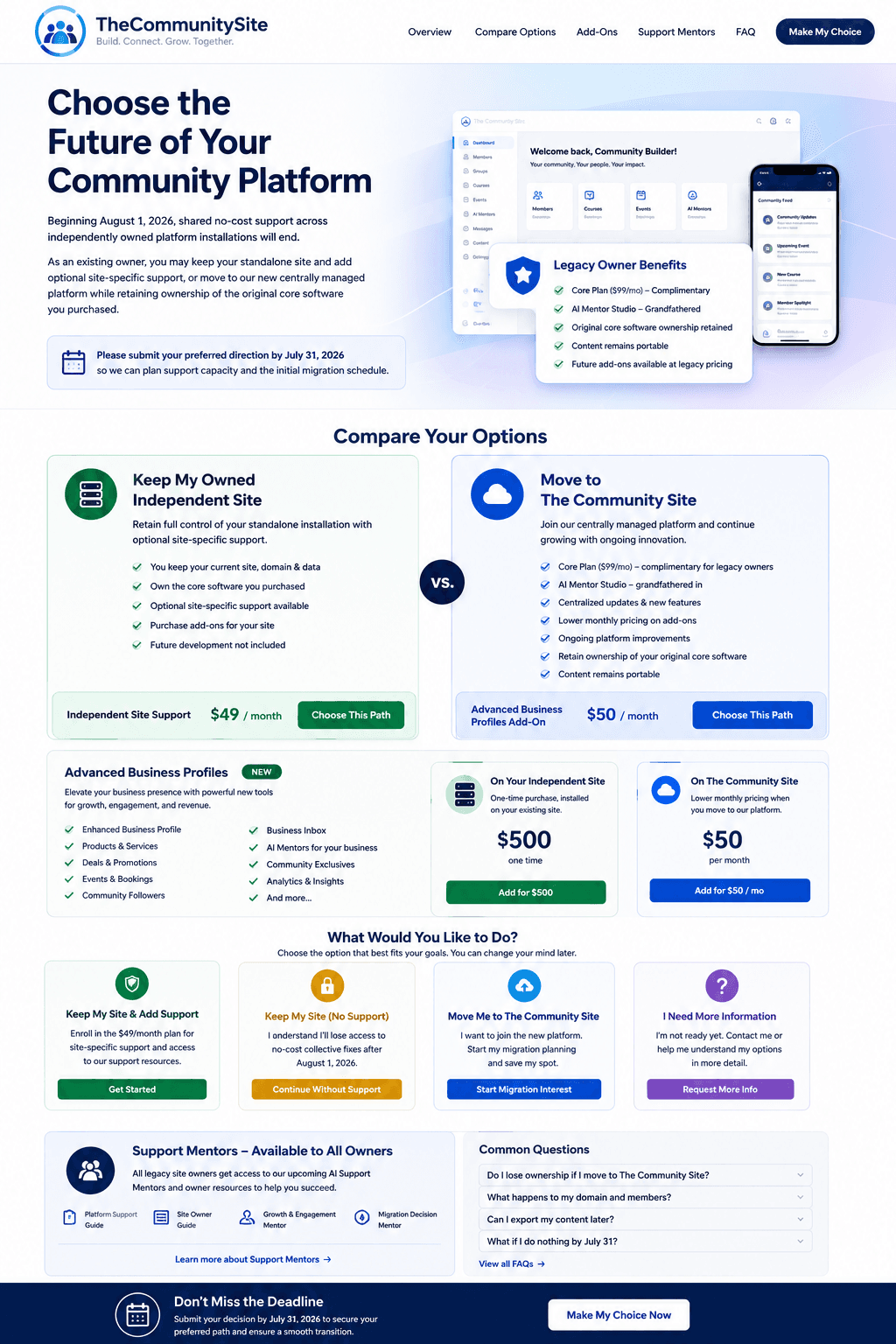
Multi-Tenant Community SaaS Platform
From an MRR Platform to a Flagship Community Software Company
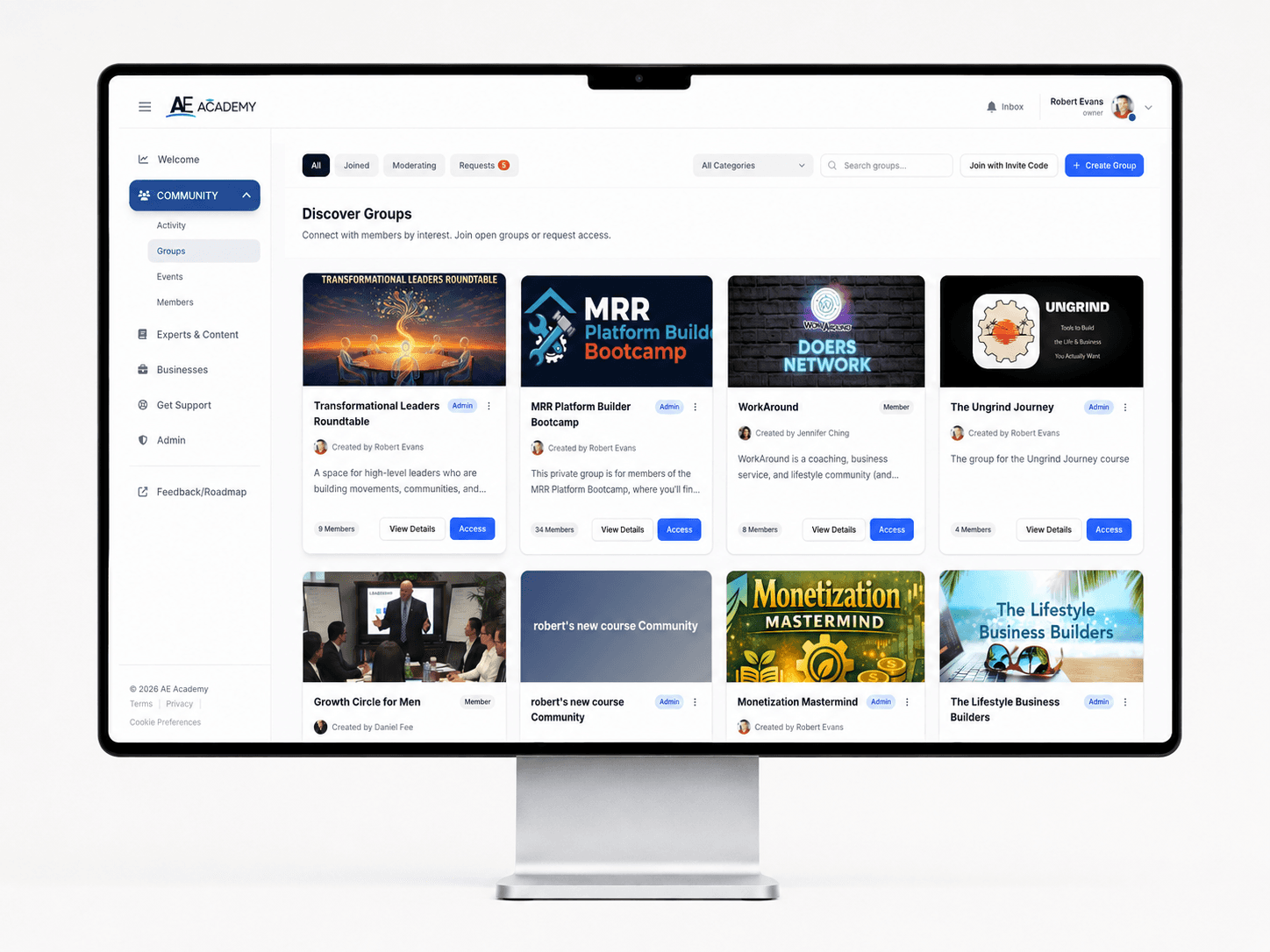
Originally built as the MRR Platform and now evolving into The Community Site, this is the most complex example of what the process can create. Built over several months using the same AI-assisted development tools and workflow taught in the Bootcamp, the platform includes community features, memberships, courses, groups, business profiles, events, add-on modules, tenant accounts, custom domains, permissions, and platform administration.
“A complex platform does not have to begin with a large development team. It can begin with a clear idea, the right architecture, strong AI collaboration, and the willingness to keep building.”
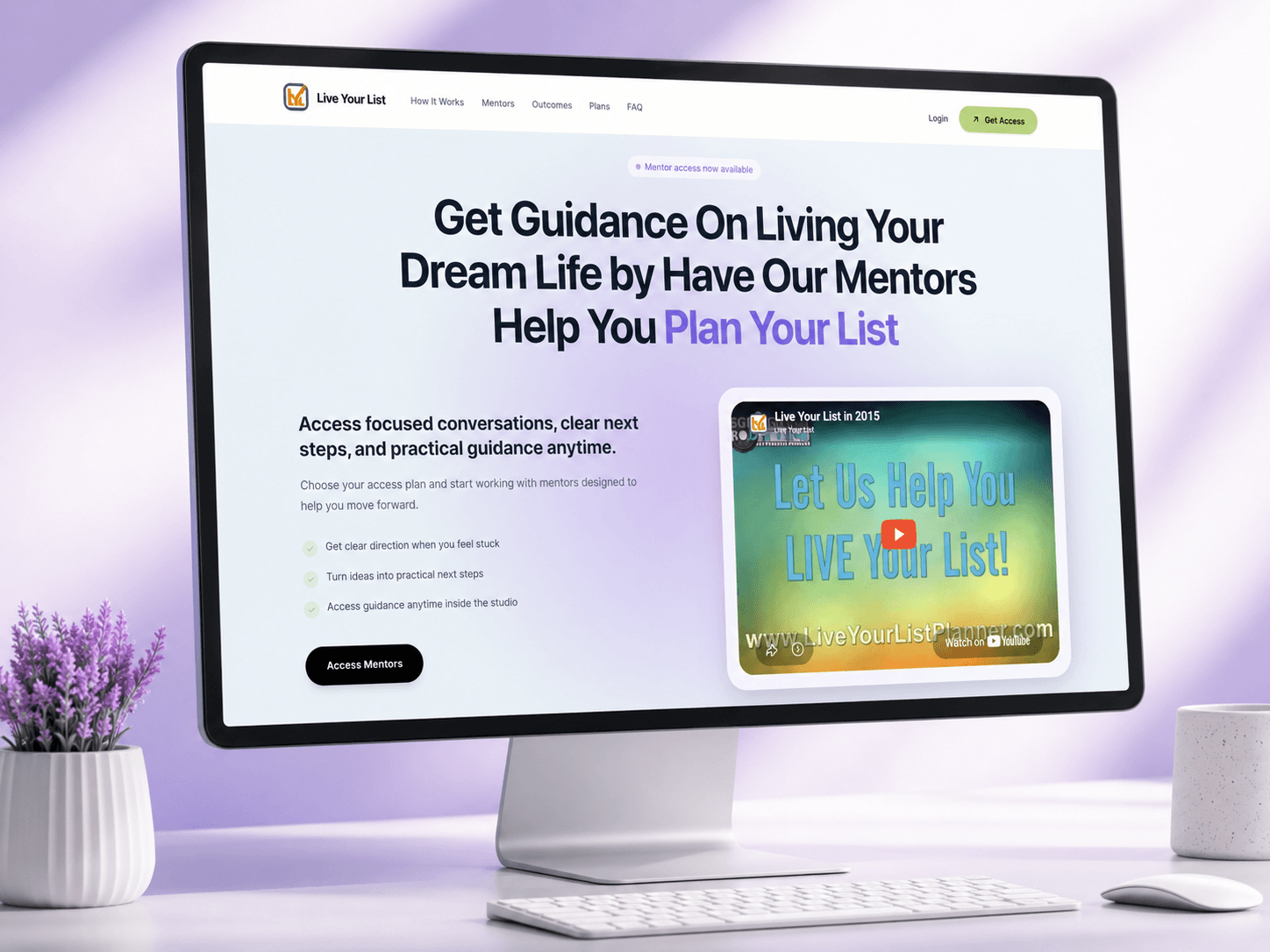
AI SaaS Platform and Integrated Business Module
A Platform That Helps Businesses Build AI-Powered Products of Their Own
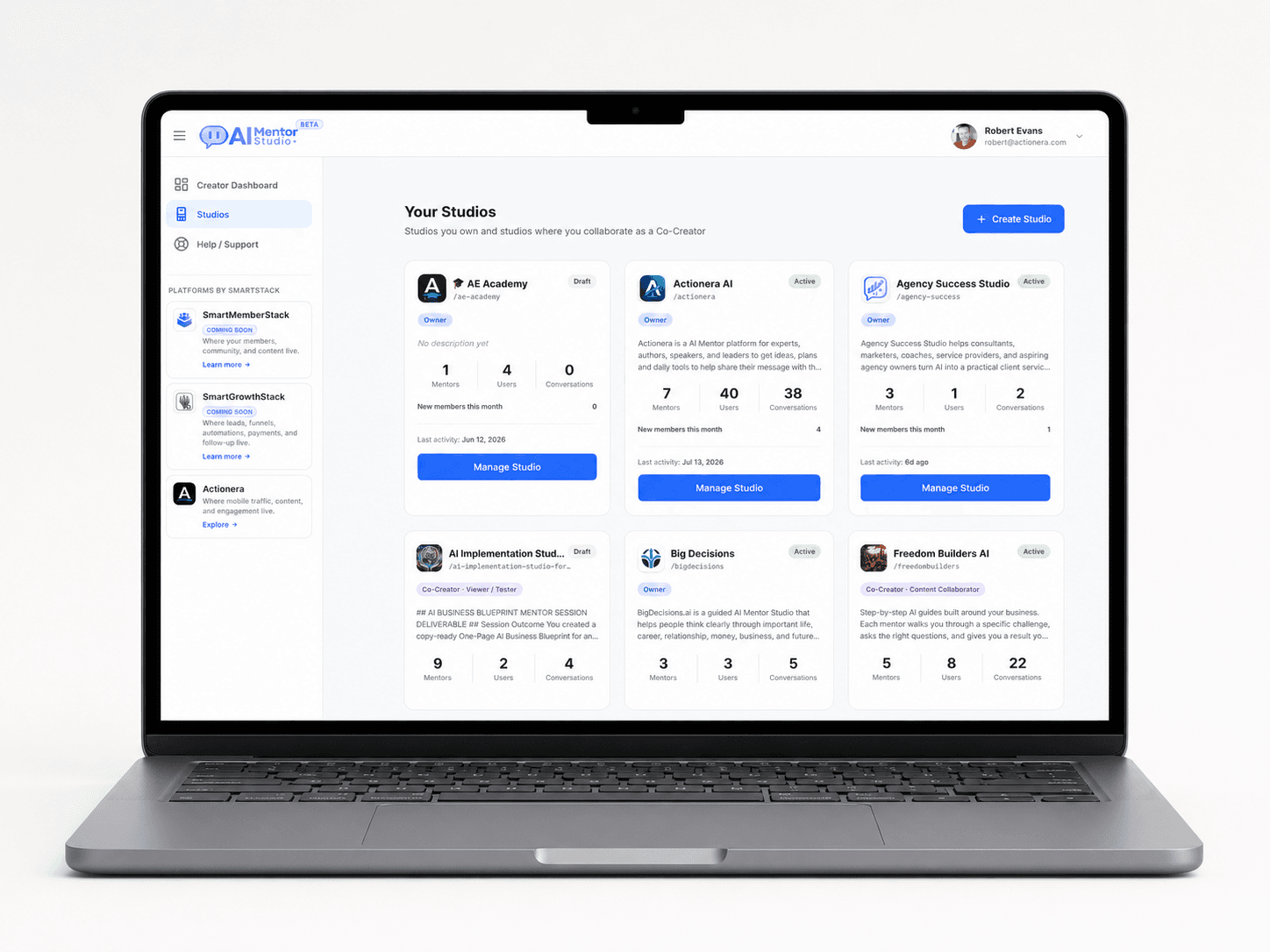
AI Mentor Studio is both a standalone platform and an integrated AI business system. It allows creators, experts, agencies, and organizations to create branded AI mentor experiences, studios, guided sessions, lead pages, and paid or private AI products. It combines application development, AI model connections, API integrations, user permissions, content systems, subscriptions, and branded public experiences.
Built in approximately two months using the tools, technology, and development process taught in the Bootcamp.
Community Add-On and Standalone Directory Platform
One Product Architecture. Two Distinct Ways to Sell It.
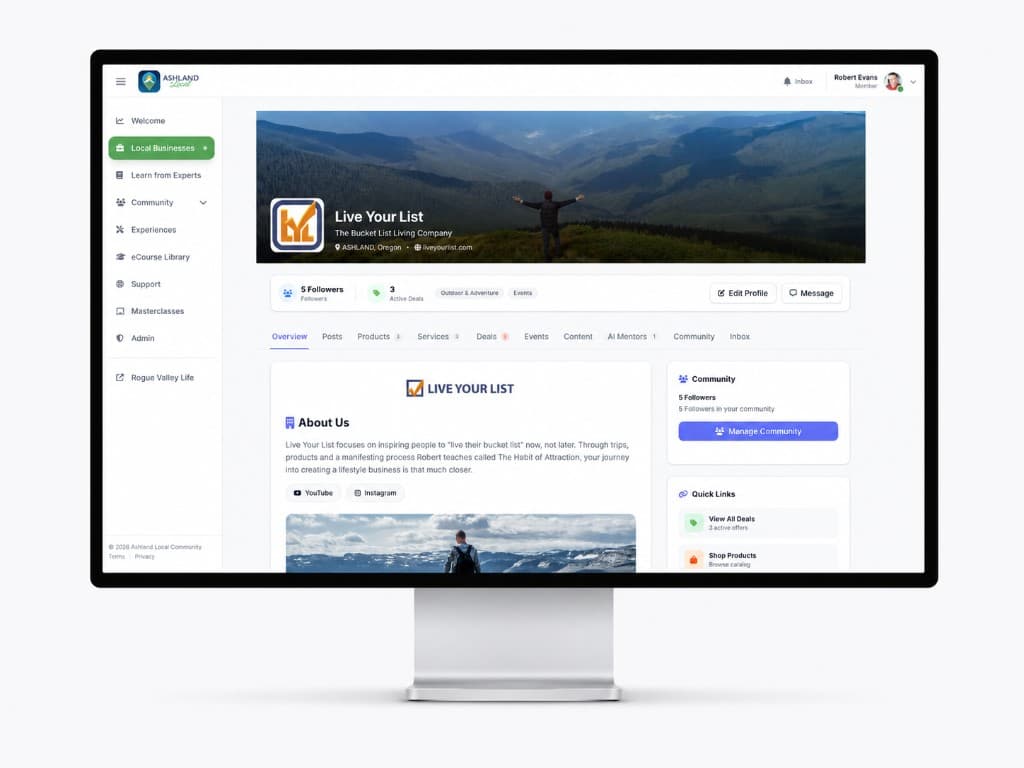
The Premium Business Profile system is being developed as an advanced add-on for The Community Site. It gives businesses a rich public presence with products, services, deals, events, content, followers, messaging, and a business-centered community experience. The same system can also become a standalone business-directory platform for organizations that want local or industry-specific directories without operating an entire community platform.
Do not only build a feature. Build reusable architecture that can become a product.
Rapid-Build Consumer Experience
From Idea to Working Product in Three Days
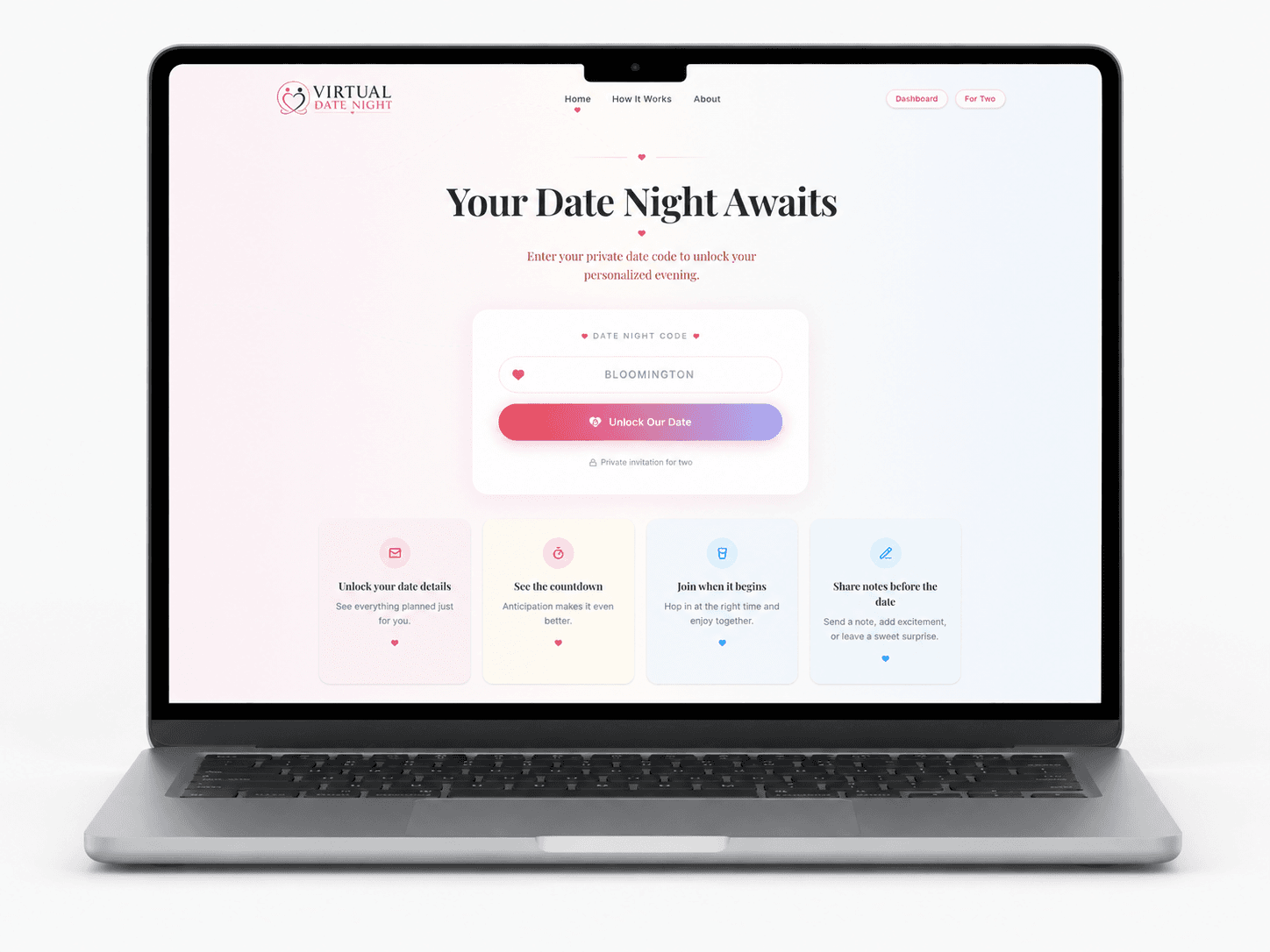
Virtual Date Night is a personalized digital experience designed to help couples connect through private, scheduled date experiences—especially when they are separated by distance. The product includes private date codes, personalized experiences, countdowns, timed access, shared notes, and a simple customer-facing experience.
Created in approximately three days using the same AI-assisted workflow and rapid product-development process taught in the Bootcamp.
Not every valuable platform requires months to build. A focused idea with a clear user journey can become a working product very quickly.
These Are Examples of What the Process Can Create.
What Will You Build?
And how will you turn it into revenue?
Apply to Build Your PlatformA branded software product with its own website, customers, pricing, and recurring revenue model.
An internal platform that organizes workflows, clients, content, operations, and team processes.
A digital home for members, courses, groups, events, and ongoing engagement.
A portal, dashboard, assessment system, or service platform that elevates how you serve clients.
A reusable add-on designed for Community Site owners using approved standards and architecture.
A branded AI experience, mentor system, studio, or guided product that creates new value for users.
A module does not have to exist only inside The Community Site. When designed correctly, it can operate as an independently branded platform with its own website, customers, pricing, and market.
Path One
Path Two
One underlying product can potentially create multiple revenue channels.
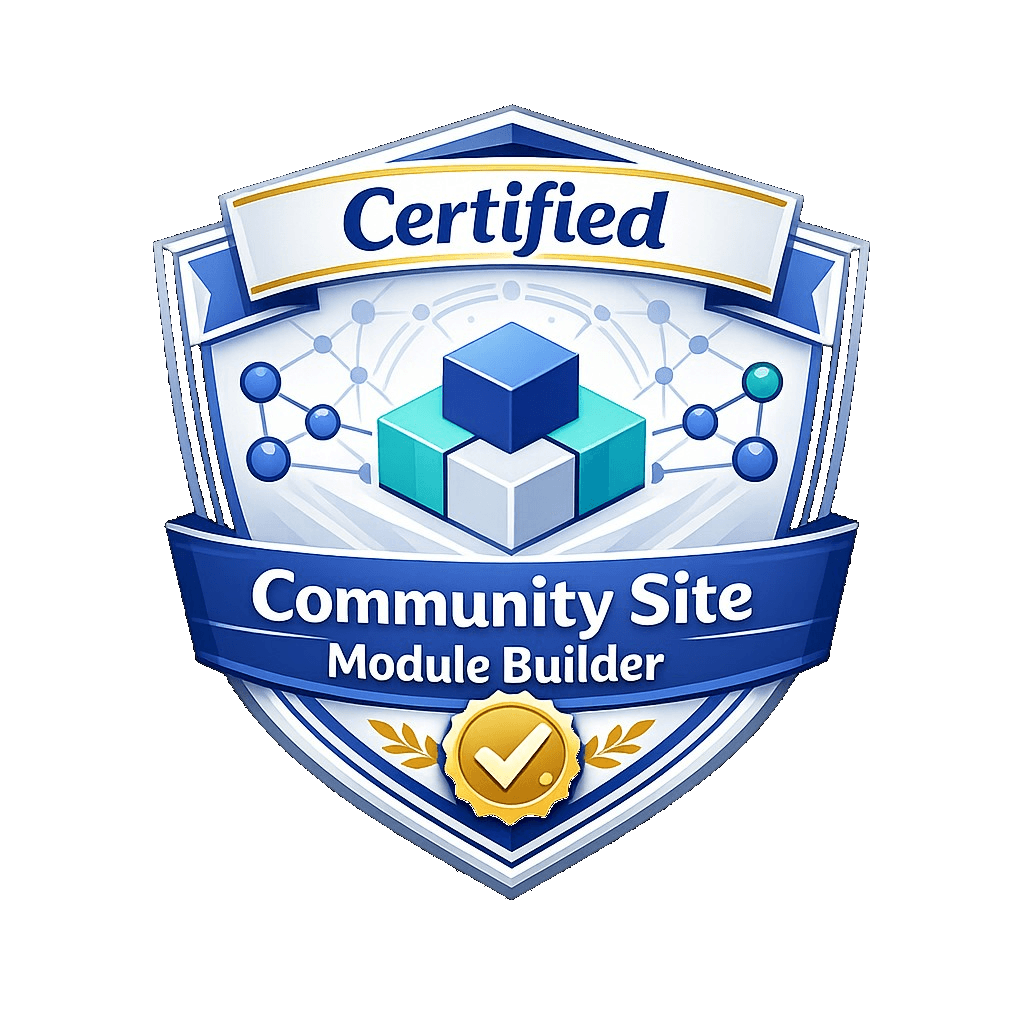
Available Through the Bootcamp
The Platform Builder Bootcamp includes the opportunity to earn certification as a Community Site Module Builder. The Community Site is a multi-tenant SaaS platform supporting independently branded membership and community businesses. Certified builders may create approved add-on modules for its community owners. Certification is reserved for participants who complete the Bootcamp and demonstrate that they can competently plan, build, test, deploy, and maintain software according to Community Site standards.
Complete the in-person Bootcamp
Build and demonstrate a working project
Show competency with the approved tools and workflow
Demonstrate understanding of security, permissions, tenant separation, APIs, and support obligations
Receive certification as a Community Site Module Builder
Become eligible to submit modules for review and approval
Certified builders may create approved modules for Community Site owners. Module customers pay the builder directly, and the builder remains responsible for operating, supporting, and maintaining the module.
Illustrative revenue structure only
These examples demonstrate the revenue structure only. Certification, module approval, customer demand, sales, and income are not guaranteed.
A practical curriculum covering strategy, architecture, AI-assisted building, design, deployment, and monetization.
Build for Yourself, Clients, or Entire Markets
A Platform Builder is not limited to one kind of software. You can create your own products, build custom systems for businesses, turn expertise into software, develop Community Site modules, launch focused websites, or create entirely new digital experiences.
The real skill is learning how to see a problem, design a solution, and turn it into a working digital product.
Build a repeatable subscription platform that solves a clear problem for a specific audience. Instead of rebuilding the same solution for every customer, create one product that can serve many customers.
How it can be used: Launch it under your own brand, grow recurring revenue, and continue adding features as the customer base expands.
Example ideas
Once you understand the process, you can apply it to your own businesses, client projects, recurring-revenue products, Community Site modules, internal systems, websites, AI tools, and ideas that may not exist yet.
What Will You Build?
Apply to Become a Platform BuilderMore Than a Technical Skill
Platform building is not one narrow business model. Once you know how to turn ideas, expertise, workflows, and business problems into working software, you can use that ability to create income in several different ways.
Create a focused software product that solves a repeatable problem and charge customers a monthly or annual fee. A platform with 50 customers paying $50 per month creates $2,500 in monthly recurring revenue. The same product can continue growing without rebuilding it for every customer.
Use the skill as a professional service. Businesses need client portals, internal operating systems, membership platforms, dashboards, workflow tools, directories, AI products, and specialized applications. You can charge for strategy, building, customization, deployment, and ongoing support.
Certified Community Site Module Builders may develop approved add-on modules and offer them to Community Site owners. The Community Site helps create distribution by making approved modules available through the Module Library, while customers pay the builder directly.
Builders retain 100% of qualifying module revenue until reaching the first $5,000. After that threshold, the builder retains 75% under the standard revenue model.
A strong module can serve more than one market. The same underlying application may also operate as an independently branded platform with its own website, pricing, customers, and marketing. One product architecture can potentially create multiple revenue channels.
Use AI-assisted development to create modern websites for businesses—especially local businesses—without requiring weeks of traditional development. A focused business website, campaign site, event site, or lead-generation experience may be built in hours or days rather than weeks.
The opportunity is not to create disposable websites. It is to deliver professional work more efficiently while charging for the value, strategy, design, integrations, and business result.
Many businesses do not need another public app. They need a better way to run their operation. Build internal dashboards, lead trackers, client onboarding systems, project portals, financial tools, team workflows, reporting systems, or specialized operating platforms.
These systems can be sold as custom projects, monthly support relationships, or repeatable products for an industry.
Consultants, coaches, educators, authors, and subject-matter experts can turn their processes into assessments, guided journeys, AI mentors, action plans, certification systems, client tools, and paid digital experiences.
Instead of only selling time, the expert can sell access to a repeatable platform built around their intellectual property.
Once building becomes faster and more affordable, you can test ideas that previously would have been too expensive to pursue. Create niche products, validate them with real users, improve what works, and turn successful experiments into monthly or yearly income.
Let Your Imagination Take Over
The most valuable outcome may be the ability to see an online opportunity and know you have a process for turning it into something real. You are no longer limited to one platform idea, one client model, or one source of revenue.
Apply to Learn the ProcessThese are potential business models and examples, not promises of customers, sales, project fees, recurring revenue, or financial results. Outcomes depend on the product, execution, market, pricing, promotion, support, and continued development.
The Bloomington Bootcamp runs August 24–28, 2026. During five intensive in-person days, participants will move from product strategy and architecture through building, integrations, testing, deployment, demonstration, and a continued-development roadmap.
Bloomington Schedule Preview
Day 1
Monday, August 24
Clarify the audience, problem, business model, MVP scope, and platform architecture so you begin building with intention.
Day 2
Tuesday, August 25
Establish users, data, permissions, navigation, and the technical foundation your product will grow on.
Day 3
Wednesday, August 26
Build the essential product experiences that make the platform useful, using AI-assisted development with disciplined review and iteration.
Day 4
Thursday, August 27
Extend the product with key features, integrations, and interface refinements that make the experience clearer and more usable.
Day 5
Friday, August 28
Shape the product for real use, deploy and demonstrate your work, review competency, and leave with a clear continued-development roadmap.
This is an intensive hands-on experience, and the exact workflow may adjust based on the cohort’s projects. The goal is to leave with a functioning foundation or MVP and the knowledge and roadmap to continue building it—not a promise that every commercial platform will be completely finished during the Bootcamp.
August 24–28, 2026
The Bloomington Bootcamp runs August 24–28, 2026.
November 9–13, 2026
Five-day in-person Bootcamp.
$5,000
Per accepted participant
Hotel accommodations are included. Participants are responsible for their own travel and for activating any required software accounts before the Bootcamp.
Before the Bootcamp, each participant will complete a technology onboarding session. During that session, we will confirm the accounts, software, subscriptions, and computer setup needed for the in-person experience.
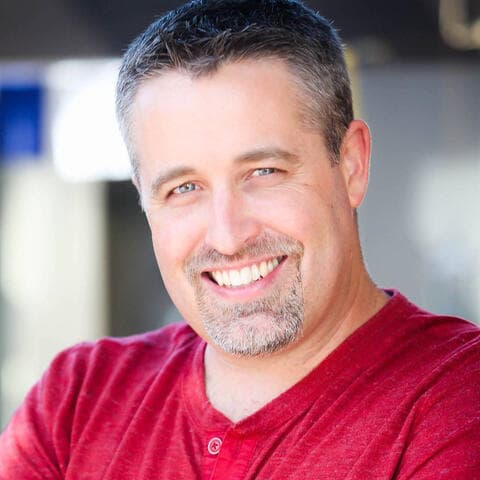
Instructor
Robert Evans is not teaching a theory he learned from a course. He is teaching the real process he uses to turn business ideas into working software products.
Robert has used this process to create products ranging from three-day rapid builds to complex multi-tenant software that has already generated more than $60,000 in revenue.
The Bootcamp is where business strategy, software architecture, AI collaboration, and persistent execution come together.
Step 1
Submit an application
Step 2
Tell us what you want to build
Step 3
Complete a fit conversation
Step 4
Receive acceptance and project guidance
Step 5
Reserve your place
Step 6
Prepare for the Bootcamp
Prior professional coding experience is helpful but not required. You do need basic technology comfort, a willingness to learn, and the discipline to review, test, and iterate. The Bootcamp teaches a practical AI-assisted development process—not a promise that AI removes the need for careful thinking.
You need a reliable modern laptop that can run a browser, development tools, and AI coding environments comfortably. Exact setup recommendations are confirmed during your pre-Bootcamp technology onboarding session so accounts, tools, and project prep can be completed in advance.
Before the Bootcamp, you will participate in a technology onboarding session. We will review your computer and confirm the software accounts and subscriptions needed for your project. Participants are responsible for activating and paying for their required software before the Bootcamp begins.
Before the Bootcamp, each participant completes a technology onboarding session. During that session, we confirm the accounts, software, subscriptions, and computer setup needed for the in-person experience so you arrive ready to build.
Not necessarily. The goal is to leave with a functioning foundation or MVP, a clear architecture, demonstrated competency, and a roadmap to continue building. Some projects progress further than others depending on scope, preparation, and complexity. Completing a full commercial platform during the Bootcamp is not guaranteed.
Yes, if it is a good fit for the Bootcamp process and standards. Existing projects can be refined, re-architected, productized, or prepared for module and standalone paths. Fit is reviewed during the application conversation.
Yes. Many strong participants begin with a clear idea and an audience or business context. The Bootcamp helps turn that idea into structured product strategy, architecture, and a working foundation.
A Community Site module is an approved add-on that extends The Community Site for community owners. Modules follow approved technology, architecture, security, and API standards, and can create recurring revenue when sold to participating communities.
Yes. When designed correctly, one underlying product architecture can power both a Community Site module and an independently branded standalone platform with its own website, customers, and pricing.
No. The module opportunity is one exclusive path available to qualified and certified builders, but the skills taught in the Bootcamp can be used for standalone software, client work, business websites, internal systems, AI products, directories, portals, and many other applications.
Participants can use the skill in several ways: build subscription platforms of their own, create platforms for clients, develop approved Community Site modules, convert a module into a standalone product, build professional websites more efficiently, create internal business systems, or turn their expertise into repeatable software. These are potential business models, not guaranteed income.
Yes. The same planning, design, AI-assisted development, deployment, and integration skills can be used to build professional websites and focused customer experiences much faster. The Bootcamp goes beyond standard website building, but website services can be one practical way to begin monetizing the skill.
No. Certification is earned through demonstrated competency. Paying tuition and attending are not enough on their own. Participants must complete the Bootcamp, build and present a working project, and show understanding of the required standards.
No. Certification makes you eligible to submit modules for consideration. Every individual module must still be separately reviewed and approved before it can become available in The Community Site Module Library.
You own the project you build, subject to any separately agreed terms around Community Site standards, branding, or shared platform dependencies. Ownership details for partner modules and platform integrations are reviewed with accepted participants as relevant.
Module customers pay the certified module builder directly. The builder remains responsible for billing, refunds, cancellations, hosting, uptime, maintenance, and module-specific support.
The builder retains 100% of qualifying Community Site module revenue until they have generated their first $5,000. After that threshold, the builder retains 75% and The Community Site receives 25%. This structure applies to qualifying module revenue and is not a guarantee of sales or income.
No. Certification, module approval, customer demand, sales, and income are not guaranteed. Revenue examples on this site illustrate structure only.
The certified builder is responsible for operating, supporting, and maintaining their module, including hosting, uptime, troubleshooting, refunds, and customer communication.
You leave with a project foundation or MVP, a development roadmap, and—if earned—eligibility toward Community Site Module Builder certification. Continued development after the Bootcamp is expected for most serious projects.
Yes. Hotel accommodations for the Bootcamp are included in the $5,000 tuition. Travel to and from the Bootcamp location is not included. Additional details about the hotel, check-in, and the stay will be provided to accepted participants.
No. Participants are responsible for travel to and from the Bootcamp location. Hotel accommodations are included in tuition.
The Bloomington Bootcamp runs August 24–28, 2026. During five intensive in-person days, participants move from product strategy and architecture through building, integrations, testing, deployment, demonstration, and a continued-development roadmap. Participants need to arrive before the Bootcamp begins.
In some cases, an accepted project may include an approved build partner working on the same platform. This is reviewed individually during the application process and is not automatic.
Your Idea Does Not Have to Stay an Idea
Learn the process. Build the foundation. Demonstrate your ability. Create a platform you can use, sell, grow, or submit as a Community Site module.
Small cohorts. Applications reviewed individually.